


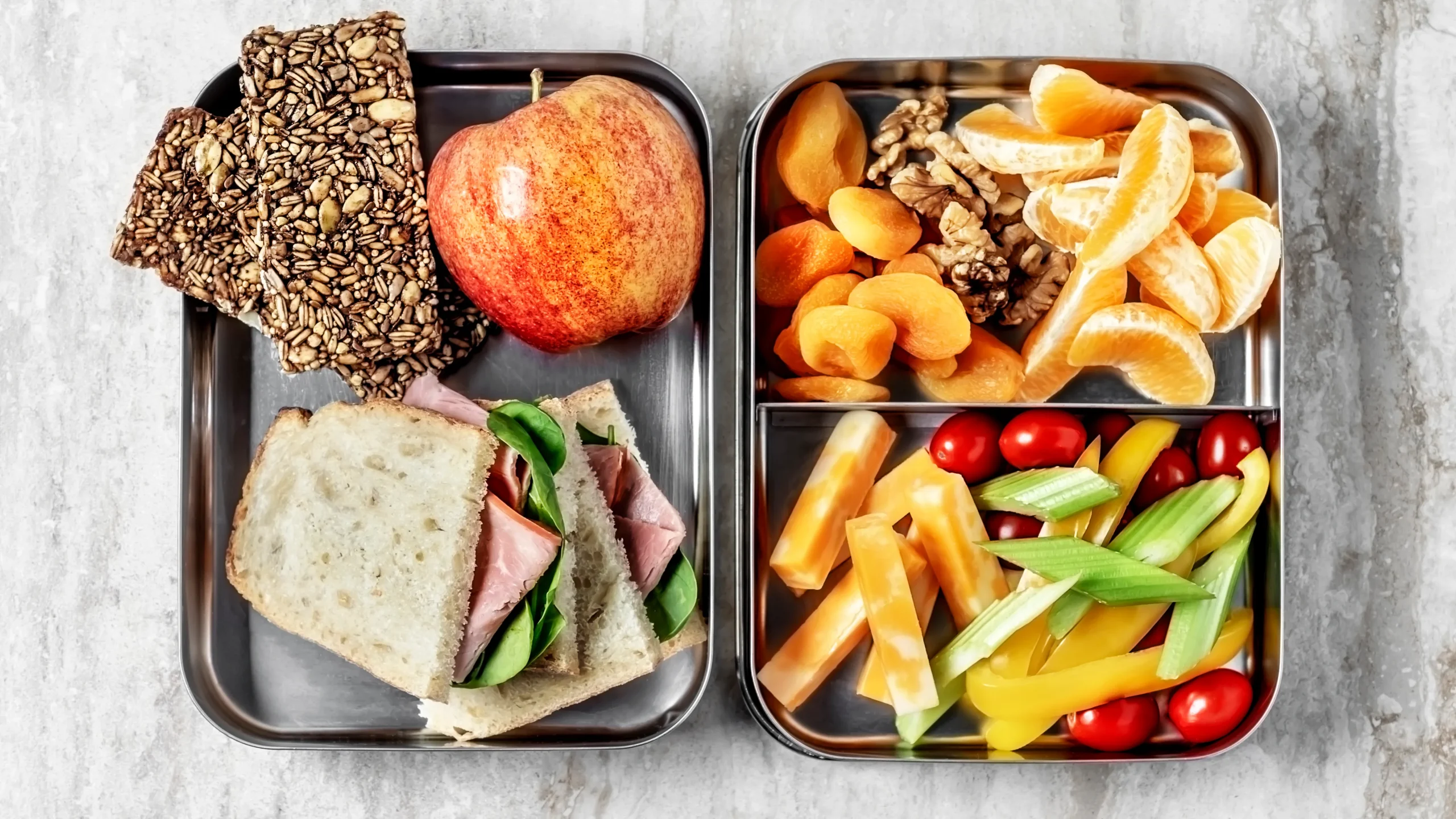
Work-life balance has gained prominence, yet maintaining a healthy food-life balance should also be prioritized. A diet rich in fruits, vegetables, and lean proteins is essential to overall well-being and can make all the difference for our overall health and well-being. Home cooking can be an excellent way to include more nutrient-rich foods in your diet. Set aside an hour each weekend to prep ingredients, such as cutting up vegetables and cooking grains, before leaving home.
1. Breakfast
Many busy adults often skip breakfast, leading them down a path toward making less-than-healthy food choices throughout their day. Eating breakfast can help increase mental focus, curb hunger and cravings, and give you energy to fuel you through your day.
Breakfast should include protein, whole grains, and fruits or vegetables for optimal performance. You should try to steer clear of commercial burgers, pizza, and fried foods, as well as salty snacks and sugary drinks, to maximize healthful nutrition at breakfast time.
An ideal healthy breakfast might include a slice of toast with smoked salmon and egg, cereal with berries and low-fat milk, or two rice cakes with peanut butter. Incorporating five portions of fruits and vegetables—fresh, frozen, or canned; even one tablespoon of dried fruit in cereal counts as one portion—into your morning routine should help.
2. Lunch
Breakfast and lunch should contain high-protein content to provide energy and nutrients needed to tackle each day’s tasks successfully. Include lean proteins, healthy fats, fruits, vegetables, and whole grains among your choices for maximum efficiency and success.
Remember that snacking midmorning or midafternoon is entirely optional but can help control hunger and cravings. If you find yourself hungry between breakfast and lunchtime, prepare something like a sandwich or leftovers that will be ready by lunchtime. Plan and shop for meals ahead on your day off to save yourself time and avoid making last-minute food decisions. Prepare them beforehand on weekends or evenings so they’re easy to grab on lunch breaks during the week.
3. Snacks
Snacks can help keep hunger and energy levels under control. Choose healthy options with protein, carbohydrates, and fat for maximum impact. Vegetables make an excellent snack, particularly those that don’t require too much preparation, such as carrot sticks or baby kale. Dipping your veggie sticks in hummus or guacamole adds protein and fiber while providing you with the essential health benefits.
Healthy snacks could include two satsumas (easily peelable citrus fruit), unsalted peanuts, or no-added-sugar muesli with skim milk and banana. For more meal and snack ideas, visit Eat for Health, Dietitians Australia’s Smart Eating Recipes, or Nutrition Australia.
4. Dinner
A weekly meal plan can be an invaluable way to ensure that your diet is well-rounded. By helping you avoid unhealthy food choices and saving both time and money, meal planning helps make reaching nutrition goals simpler. If meal planning on your own feels daunting, professional guidance from dietitians may provide customized meal plans based on lifestyle factors—for instance, reducing extras such as commercial burgers, pizza, alcohol, or lollies, as well as increasing daily water consumption, are good ways to stay on track with health goals.
6. Meals Out
Healthy eating is more than a way to achieve weight loss or fit into your favorite jeans—it provides your body with the energy it needs to remain healthy and combat illness. Opt for meals that include an assortment of textures and flavors for maximum satisfaction.
If you must eat out, choose grilled or steamed foods over fried ones to reduce portion sizes and control portion sizes more easily. When selecting dessert, divide it with someone or take half home to save for later.
7. Meals at Home
Setting out a meal plan can help you eat healthily on a tight budget. Before heading out to the store, draft a weekly menu featuring foods you already possess or can buy at discounted rates, like lean proteins, vegetables, fruits, and whole grains.
Home cooking can help add variety and diversity to your diet, such as fish or poultry grilled or baked in the oven, skinless chicken breasts with low-fat dressing, and salads with low-fat dressing. Be a meal prep hero this week by cooking ahead. Spend an hour or so over the weekend chopping vegetables and cooking grains that you need for meal preparation during the week.
8. Protein Supplements
Protein can be found everywhere: in your morning coffee, breakfast omelet with eggs and cheese, lunch burrito with chicken and beans, and afternoon snack of almonds. Protein supplements may be helpful in reaching daily protein requirements but should never replace whole, nutrient-rich foods as meals.
Protein powders come from various sources, including cow’s milk, casein, soy, and peas. You should choose your source according to taste and nutritional needs; look for supplements that have been independently tested to be free from harmful contaminants.
