


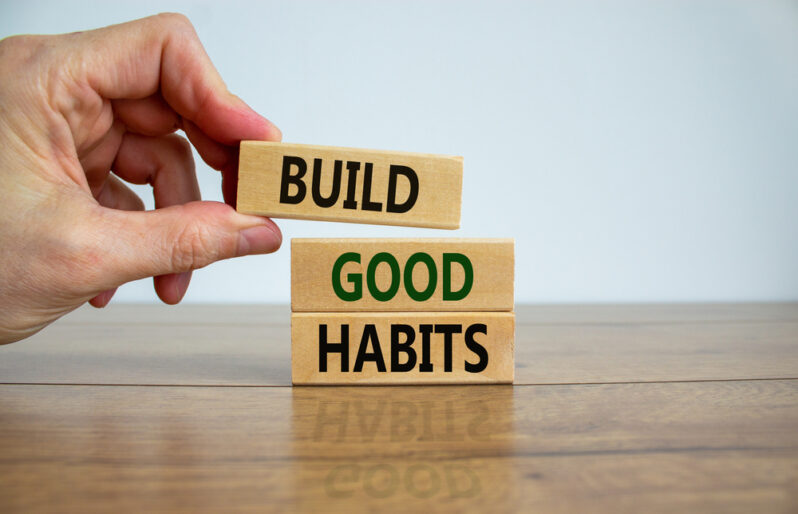
To build habits that last, it’s crucial first to understand how they form in your brain. Habits are the brain’s way of saving energy and automating repetitive tasks. When you perform an action frequently, your brain creates neuronal pathways to make that behavior automatic, moving it from your conscious mind to your subconscious. This is why habits often feel like second nature after you’ve practiced them for a while. To build healthy habits that actually stick, it helps to comprehend these basic psychological principles. Recognizing that habits are often responses to triggers or cues in your environment is pivotal in ensuring you have the awareness to take control proactively. Understanding this mechanism lays the foundation for creating sustainable habits.
Setting Realistic and Achievable Goals
One of the most common mistakes people make when trying to build healthy habits is setting goals that are unrealistic or overly ambitious. It’s tempting to want to change everything at once, whether it’s adopting a rigorous exercise routine, overhauling your diet, or learning a new skill. However, drastic changes are harder to sustain because they often overwhelm your brain and baseline routines. Instead, focus on starting small. Choose goals that align with your personal values and are manageable in your daily life. For example, if you’re trying to exercise more, start with just a 10-minute walk and build from there. Incremental, achievable steps make it easier to gain momentum. When you achieve small wins, you build confidence and motivation to continue progressing toward your bigger aspirations.
Creating a Supportive Environment
Your environment has an enormous impact on the success or failure of your habit-building efforts. It’s much harder to stick to a habit in an environment full of temptations or distractions. A supportive environment, on the other hand, acts as a scaffold that holds your efforts in place. Start by decluttering spaces that interfere with your goals. Want to eat healthily? Remove junk food from your pantry and replace it with better options. Developing a reading habit? Leave a book on your nightstand instead of your phone or TV remote. Small environmental shifts like these create cues that trigger your new habits and make it easier to succeed. By designing a space conducive to your habits, you build a physical reminder of the behaviors you want to reinforce.
The Power of Consistency and Repetition
Consistency is the backbone of successful habit formation. Doing something repeatedly strengthens the neural pathways in your brain, helping you turn deliberate actions into subconscious routines. It’s not about taking massive actions once; it’s about small, consistent steps over time. For example, doing 20 pushups daily is more impactful than doing 100 pushups once a week. The key is showing up every day, even when you don’t feel like it. Establishing a specific time and place for your habits can also help ingrain them into your routine. Additionally, don’t worry about perfection; focus on progress. Even if you miss a day or two, getting back on track quickly is more important to long-term success. Remember, consistency builds momentum, and momentum keeps you moving forward.
Rewarding Progress and Celebrating Success
Integrating rewards into your habit-building process is not just fun but also effective. Positive reinforcement makes your brain associate the habit with a pleasurable outcome, encouraging you to repeat the behavior. For example, treat yourself to a small indulgence after completing a week of workout sessions or celebrate with friends after meeting a big milestone, like finishing a 30-day challenge. Rewards don’t have to be material; a simple acknowledgment of your progress, like writing down your achievement in a journal or sharing it with a loved one, can be equally impactful. Celebrating milestones, no matter how small, keeps you motivated and reminds you of the progress you’ve made toward a healthier lifestyle.
Overcoming Obstacles and Maintaining Motivation
No habit-building journey is free of obstacles. There will be days when you feel unmotivated, encounter setbacks, or face external challenges like a hectic schedule. Expecting these hurdles and planning for them is key to staying on track. One effective strategy is to identify potential obstacles in advance and develop solutions. For example, if you’re trying to exercise consistently but know that mornings are your busiest time, plan an evening workout instead. Additionally, remind yourself of your “why” when motivation wanes. Why did you start pursuing this habit in the first place? Reconnecting with the deeper purpose behind your goal can reignite your enthusiasm when the going gets tough.
Tracking Progress and Monitoring Results
Seeing tangible evidence of your progress can be a game changer when building healthy habits. Tracking your habits keeps you accountable and provides measurable results that motivate you to continue. There are various ways to track your progress, from simple methods like keeping a habit tracker or journal to using dedicated apps like Habitica or Streaks. For instance, if you’re aiming to drink more water, record each glass you drink daily. Over time, you can look back and see how far you’ve come, which serves as a reinforcement to keep going. Monitoring results not only reveals your improvement but also helps you identify patterns and make data-driven adjustments if something isn’t working.
Seeking Support and Building a Community
The people around you play a significant role in the success of your habit-building efforts. Being part of a supportive community or having an accountability partner can make a world of difference. Sharing your goals with others who have similar objectives fosters a sense of camaraderie and offers a built-in support system. Think about joining a fitness group, a book club, or an online forum dedicated to the habit you’re working on. Not only does this give you access to advice and encouragement, but it also adds an element of social accountability, which can be a powerful motivator. When you work toward your goals in a group, you’re less likely to give up because others are cheering you on.
Adapting and Adjusting as Needed
Life is unpredictable, and circumstances can change, which is why flexibility is important in habit formation. Sticking rigidly to a routine that no longer fits your lifestyle is a surefire way to burn out or quit altogether. Instead, periodically reassess your goals and strategies. If something isn’t working, don’t be afraid to pivot. Suppose you started running daily but developed an injury; you might switch to swimming or cycling while recovering. The key is to remain committed to your overall goals while being flexible with the methods you use to achieve them. Adaptation ensures your habits remain relevant and achievable, no matter what life throws your way.
Embracing Patience and Persistence
Building healthy habits is not a sprint; it’s a marathon. Results don’t happen overnight—but small improvements compound over time and lead to meaningful, lasting change. Patience is essential during this process. Accept that there will be ups and downs and that setbacks don’t equate to failure. Instead of focusing solely on the end goal, appreciate the progress you’re making along the way. Persistence, paired with self-compassion, ensures you remain motivated even when the results seem slow. Trust in the process, celebrate your effort, and remind yourself that every small step forward is a step closer to the person you want to become.
