


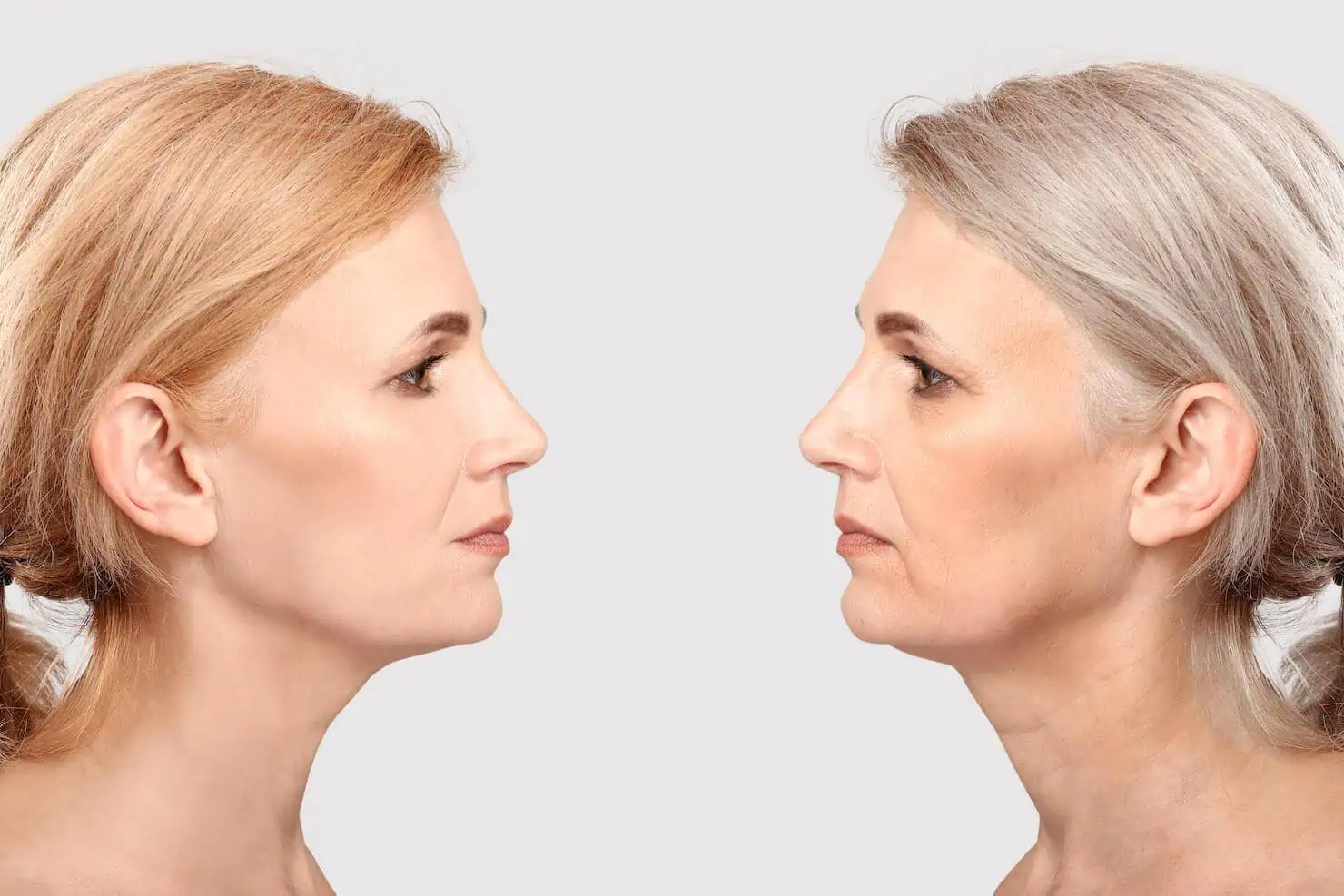
While aging is unavoidable, it doesn’t mean we have to appear our age. Science, powerful skincare advances, and practical treatments are making it possible to stay younger than ever. Whether you’re looking to prevent fine lines or reduce wrinkles, anti-aging treatments can make a significant difference in your 20s or 50s. Aging gracefully means making smart, proactive choices to maintain your radiant skin, rather than settling for sagging or dull skin. However, aging gracefully doesn’t solely rely on Botox or costly facials. From everyday habits to clinical-grade treatments, there are plenty of effective solutions. This list reveals the best anti-aging treatments that work for everyday people, not just celebrities. Are you prepared for a review? Let’s take a look at the best anti-aging treatments to help you look and feel younger.
Retinoids
Retinoids are the best anti-aging agents. Derived from vitamin A, these chemicals stimulate cell turnover and collagen production and reduce wrinkles. Retinoids help with preventative care and slow down aging because they work deep within. There is no doubt about the effectiveness of over-the-counter or prescription retinol. It reduces acne, improves skin texture, brightens sunspots, and evens out skin tone. Retinoids take time to work, but within a few weeks your skin will be firmer, smoother, and more radiant. New users should start with a low dose and wear sunscreen during the day. This product should become a regular part of your skin care routine.
Microneedling
Microneedling may sound scary, but it is one of the most effective noninvasive anti-aging treatments. It uses a special device to make small, controlled holes in the skin to promote healing. How will it work for you? It stimulates the production of collagen and elastin—essential for firm, youthful skin. It also reduces fine lines and wrinkles, improves skin texture, shrinks pores, and removes acne scars. Best of all, it’s suitable for all skin tones. Professional microneedling, performed by a dermatologist or esthetician, is deeper, safer, and faster than at-home devices. You may experience some redness after the treatment, but recovery is quick. Within a few weeks, your skin will be plumper, smoother, and healthier. It’s a natural way to fight aging without injections.
Chemical Peels
Chemical peels can help improve dull, uneven skin. These treatments use glycolic, lactic, or salicylic acids to gently exfoliate the skin’s surface, revealing a fresher, more youthful complexion. Chemical peels range from mild with a quick recovery time to more powerful with dramatic results. They can improve fine lines, sun damage, hyperpigmentation, and rough skin. By renewing cells, chemical peels can enhance the results of other skin care products. Imagine your skin looking like new. To ensure safety and effectiveness, choose a peel that is right for your skin type and consult a licensed professional. Regular treatments can leave your skin smooth, radiant, and revitalized.
Laser Resurfacing
Laser resurfacing has revolutionized anti-aging technology. This treatment uses focused light to remove damaged skin and stimulate new cell growth. It is best suited for deep wrinkles, sunspots, uneven skin tone, and acne scars. Ablative laser treatments are more aggressive and faster, while non-ablative lasers are gentler and have a shorter recovery time. Both procedures accelerate skin repair, resulting in smoother, firmer, and more even skin. Depending on the laser used, recovery time can last from a few days to a week. Results can endure for years with the right maintenance, despite being more costly than the majority of topical treatments. Laser resurfacing can be the first choice for improving skin conditions.
Botox and Fillers
Botox and fillers are often associated with anti-aging, and rightly so. These injectables work quickly and with minimal downtime. Botox temporarily relaxes the dynamic muscles that cause wrinkles, such as crow’s feet and frown lines. The result? Younger, smoother skin. In contrast, fillers can plump up cheeks, lips, and under-eye skin. As we age, collagen and fat loss can make our faces look hollow or worn out. Fillers can restore youthful volume to these areas. These treatments are effective because they can address specific concerns without changing your appearance. An experienced Botox and filler specialist can make your face glow with subtle, natural changes. These changes are temporary, but regular maintenance can yield stunning results.
Conclusion
You don’t have to adhere to artificial beauty standards or buy expensive gimmicks to look younger. Anyone can age gracefully with the right information and tips. Finding a method that works for your skin and lifestyle—retinoid cream, high-tech laser therapy, or microneedling—is key. Anti-aging means radiant skin, no matter your age. Taking care of your skin boosts your confidence and health. When it comes to skincare, science, self-care, and consistency come together to create the best skincare routine. Start small, be patient, and shine—you deserve to look as beautiful as you feel.
FAQs
1. At what age should I start anti-aging?
Between the ages of 20 and early 30, preventative care focuses on hydration and sun protection. Retinoids and professional care can be added as needed.
2. Are natural and clinical treatments equally effective?
Clinical treatments are more effective and precise than natural medicines, which can have milder effects. A balanced skincare regimen is good for a balanced skincare regimen.
3. How often are microneedling or chemical peels recommended?
Microneedling is recommended every 4-6 weeks, while mild chemical peels are recommended monthly. Deeper treatments may require longer recovery periods and intervals.
4. Are anti-aging treatments suitable for all skin tones?
While many treatments are suitable for all skin tones, it is important to consult a specialist to avoid pigmentation issues.
5. Can I combine multiple anti-aging treatments?
Yes, you can combine multiple anti-aging treatments, but you should do so at intervals and according to professional advice to minimize discomfort or side effects.
