


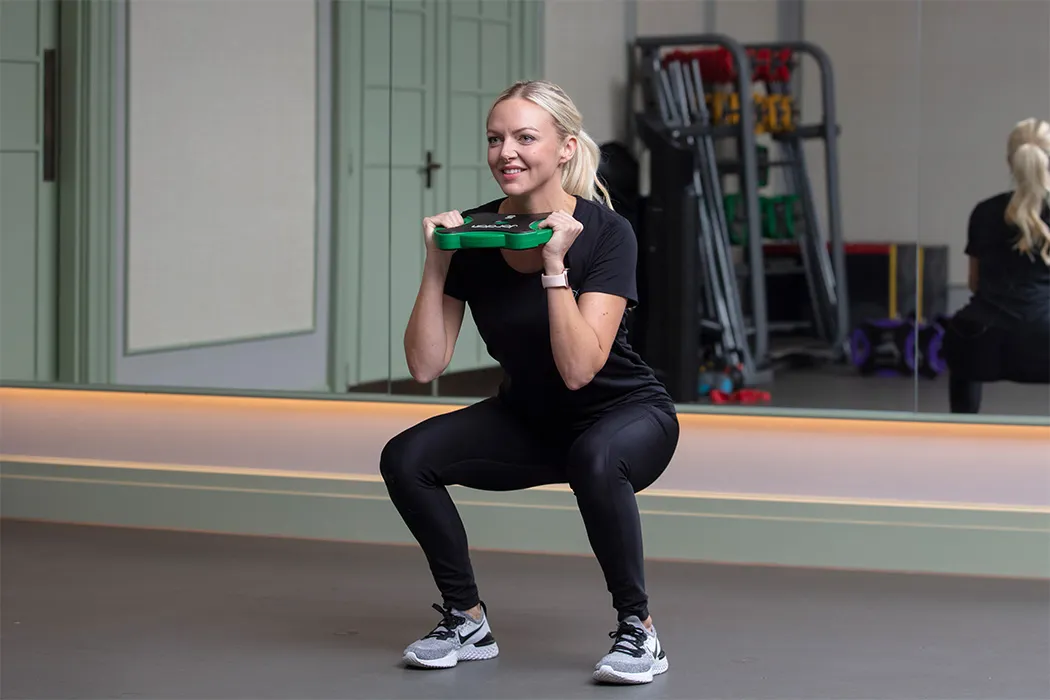
Fitness doesn’t mean getting in shape for a run or marathon. The key is to make small and regular decisions every day that lead to a healthier and more active you. No matter if you’re a working professional or student, or a parent of an overloaded family, fitness at home isn’t required to be complicated or difficult to manage. The trick is to incorporate easy activities into your schedule that allow you to stay fit and feel good. If you can establish the right routine for you, staying healthy is no longer a burden and more of a way of life.
The Importance of Morning Stretches
The first thing you do is start your day by stretching. This will set the tone to how you body is feeling all day. After a long period of being in bed muscles tend to be stretched, and stretching can help to ease tension and improve blood flow. Stretching in the morning doesn’t have to be a gruelling workout. A couple of forward bents, shoulder rolls as well as simple yoga postures such as the cat-cow stretch and downward dog will make you feel energized and energetic. The first thing you should do is stretch. It will help to improve your flexibility and posture as time passes. It’s also a good way to get your body, particularly when you’re not one to get up early for exercises.
Incorporating Activity in your commute
Your commute shouldn’t be boring. No matter if you drive, take public transportation, or walk to work There are ways to incorporate an activity into your routine. In the event that you choose to drive, think about parking further away from your destination in order to make a quick walk. If you take public transportation take a chance to get off one stop earlier in order to take advantage of additional steps. If you work at home, a short 10-minute stroll around the block prior to beginning your day could be similar to the commute and help get the body in motion. The small steps add together, making your day more active and not requiring additional time.
Desk Exercises for Office Workers
For a lot of us, working hours are spent sitting at a desk. This type of sitting can be detrimental to our health and fitness if not handled effectively. Desk exercises are a great method to reduce stiffness and to keep your body active all day. Simple exercises such as seated leg raises stretch and dips on the chair, for your neck, spine or wrists could make a huge impact. It is even worth getting for an hour every day to stretch, or for an easy lap around the office can help combat the negative effects of sitting for long periods. The great thing about exercise at the desk is that they don’t require particular equipment or tools and can be easily incorporated into the busiest of working schedules.
The Power of Evening Walks
A nighttime walk isn’t just an opportunity to exercise your body but it’s also a fantastic method to unwind your mind. After a stressful day at working, a short walk in your local neighborhood or park can help you feel a sense of calm and ease digestion your meal. It’s an easy form of exercise that’s simple to keep up and doesn’t require specific equipment. Walking with a companion or companion or even your pet will make this routine more enjoyable. In time the evening walks increase your cardiovascular health, improve mood and can even aid in sleeping better.
Weekend Fitness Adventures
Weekends are an excellent opportunity to experiment and explore new things to keep your workout routine fresh. Instead of relaxing or laying on the couch, make use of this time to take on some activities in the outdoors. Trails for cycling, hiking or even an evening dance class at your local gym will add an element of variety to your schedule. These activities are not just fitness but also provide you to unwind and connect with nature or the community. Additionally, weekends are a great way to connect with family or friends and make fitness a fun and unforgettable experience.
Making Fitness a Habit for Life
Consistency is the key ingredient for being fit. Although it’s tempting to set for big goals in fitness but the long-term benefits come from making small changes to your routine. Begin with small steps, such as making one fitness change every week, and then build from there. Recognize your achievements however small you are, and remember that consistency is better than perfect. It’s not about a quick fix; it’s about establishing a long-lasting lifestyle that suits your schedule and personal preferences. As time passes, these little practices will result in major improvement for your health overall and wellbeing.
FAQs
1. How do I keep to a workout routine even if I’m short of time?
The importance of sticking to a schedule is about the integration of fitness into your current life. Get up and stretch each morning, take small walks during breaks or perform a quick workout at your desk. Small steps can go great distance.
2. What if I’m not a fan of regular exercise?
Fitness doesn’t need to be at exercising in a fitness center. Discover activities you enjoy such as cycling, dancing or even strolling while you listen to podcasts. It’s all about finding the movement that excites you.
3. How do I get results from these practices?
The results will vary based on the point at which you started however, you’ll probably feel more energetic and positive within a couple of weeks. Physical changes like better posture and fitness might take a bit longer, but they will be consistent.
4. What’s the most effective method of measuring your progress?
The progress you make can be analyzed in a variety of ways, including improved levels of energy, better sleep or the way you feel in your skin. The small victories, like taking an extended walk or stretching more are also excellent indicators.
