


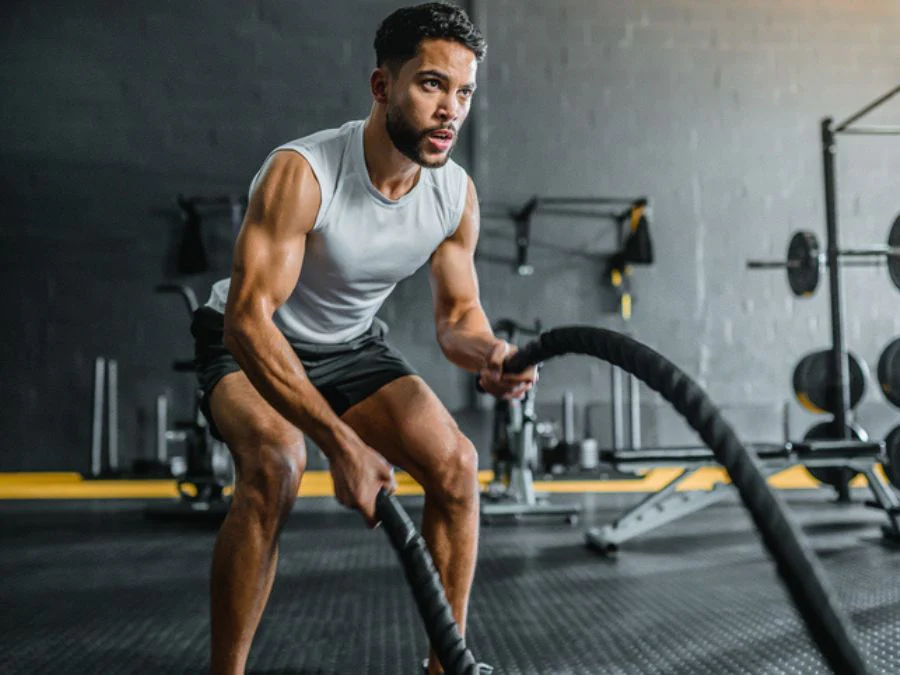
Losing weight can be tough, especially if you’ve never exercised before. Many people put off doing it because they think they have to get in shape first, buy expensive fitness equipment, or sign up for a gym membership. Beginner workouts don’t have to be difficult. They just need to be simple, regular, and appropriate for your fitness level. The best workout is one that you can stick with. If you start at a pace that your body can handle, you’re more likely to stick with it and make exercise a lifelong habit.
Understand the Importance of Exercise
In addition to burning calories, exercise is a great way to improve your overall health. For people who are new to losing weight, exercise can help speed up your metabolism, increase your happiness, improve your sleep, and build muscle. Exercise also helps the body burn fat stores for energy, which is essential for weight loss. Even short daily workouts can make a huge difference. For example, walking for 30 minutes every day can help you stay fit and build endurance over time.
Use your Body to exercise first.
You don’t need any equipment to start exercising. A great way to build strength and burn calories is to do exercises that use only your body weight. These exercises can also help you improve your balance and rhythm, which are essential for staying healthy and preventing injuries. Squats, push-ups, lunges, and modified planks are all excellent exercises to start with. They work large muscle groups, keep your core strong, and help you build strength without putting too much strain on your joints or muscles.
How Walking Can Help You Lose Weight
One of the best and easiest ways to lose weight is walking. Walking is good for your joints, and you can do it anywhere. Whether you prefer to walk outside or on a machine, walking daily can help you burn more calories without compromising your health. If you start with 15 to 30 minutes a day and gradually increase your workouts, you can achieve steady fat loss. It also gives you time to clear your head, reduce stress, and refresh your mind.
Try Aerobics for Beginners
Cardiovascular exercise, or aerobics, gets your heart rate up, which helps burn fat. For beginners, low-impact aerobics like dancing, riding a stationary bike, and even jogging are helpful and not too difficult. Many people enjoy watching fitness videos for beginners online, as they offer advice and help them stick with their workouts. Choose an exercise that you enjoy so you’re more likely to stick with it. Aerobic exercise not only helps you lose weight, it also strengthens your heart, which helps you move more.
Add Strength Training Gradually
Aerobic exercise is important for burning calories, but strength training makes you stronger and increases your metabolism even when you’re not moving. In other words, your body burns more calories even when you’re not moving. If you’re new to strength training, start with simple exercises like using your body weight, resistance bands, or light dumbbells. Doing simple exercises two to three times a week can transform the way you look and feel. As your confidence grows, you can gradually increase the intensity of your workouts or try new exercises.
Improve Flexibility and Stretching
People often forget how important flexibility and stretching are to keeping their bodies healthy and preventing injuries. Gentle yoga or stretching exercises can help repair muscles, improve range of motion, and reduce muscle stiffness. You should stretch every day or after exercising. Five to ten minutes a day can yield significant results. Stretching also gives you a moment of rest and helps you connect with your body, which can help you lose weight and feel better at the same time.
Create a Weekly Workout Schedule
When you first start exercising to lose weight, it is important to create a workout schedule. A simple schedule of walking or aerobic exercise three to four days a week, strength training two days, and some light stretching or rest days in between can make up for this. This plan will help you stick to it while also giving you time to recover. You can plan your workouts in advance, set an alarm, and even write your workout times in your calendar to make exercise a regular part of your daily life. In the beginning, it’s persistence that counts, not intensity.
Listening to Your Body and Avoiding Burnout
Paying attention to your body is one of the most important things to do when you first start exercising. It’s normal to feel sore when you first start exercising, but pain means you need to stop. If you feel pain or discomfort, modify your movements or take a break. Don’t give in to the urge to exercise too much too soon. Overexertion can hurt and exhaust you. Rest days are as vital as workout days since your body needs time to adjust. Long-term success requires patience.
Conclusion
Another great way to improve your health is to start your weight loss journey with simple exercises that are suitable for beginners. You don’t have to strive for perfection or overexert yourself. The important thing is to start and stick with it. Focusing on consistency, having fun, and paying attention to your body will help you get stronger, last longer, and ultimately lose weight. The little things you do every day will make a big difference over time. Remember that every step is a step forward and you are stronger than you think.
FAQs
1. How do I start exercising to lose weight?
For beginners, walking, exercises that you can do on your own, and low-impact aerobics are excellent. These exercises are easy to start with and can help you prepare for more intense training in the future.
2. How often should I exercise for the first time?
Try to do it at least three to five times a week. Combine aerobic exercise, strength training, and flexibility training. Your body needs time to rest and recover.
3. Do I need to buy anything to start exercising?
No, you can start with exercises that you can do on your own. If you decide to do strength training later, resistance bands or light dumbbells are ideal for beginners.
4. How long should I exercise?
Start with 20 to 30 minutes per session. As your endurance and confidence increase, you can slowly increase the length and volume of your workout.
5. Will I lose weight if I exercise?
A healthy, low-calorie diet combined with exercise can effectively help you lose weight. For lasting results, you need to focus on both nutrition and exercise.
