


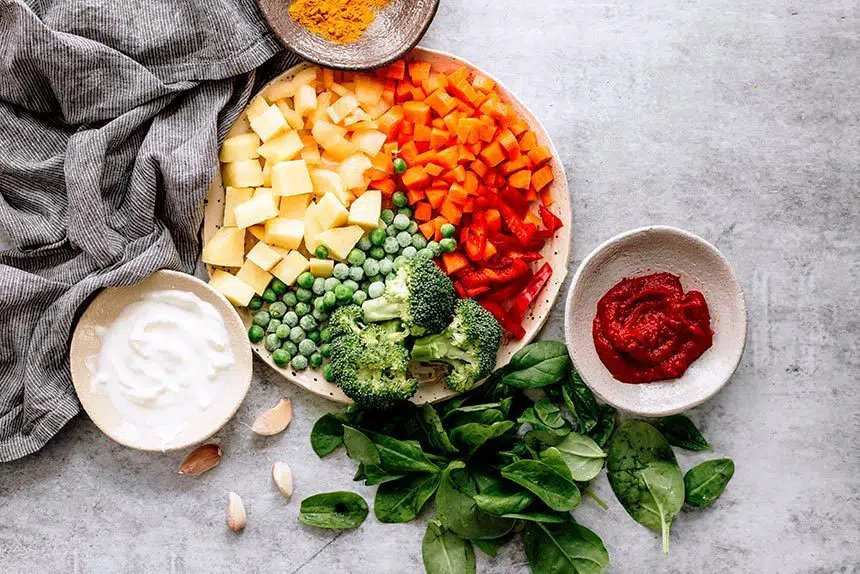
Plant-based nutrition is rapidly gaining acceptance as more and more people realize the many benefits of consuming predominantly or exclusively plants. This type of diet emphasizes whole, unprocessed foods such as fruits, vegetables, legumes, and grains such as nuts and seeds while excluding or limiting animal products. It doesn’t matter if you’re looking to increase your health, lessen your carbon footprint, or even explore ethical eating; plant-based nutrition is an effective and sustainable way to eat. For those who are new to the concept, it is both thrilling and difficult, but with the appropriate knowledge, living the plant-based diet becomes simpler and more enjoyable.
Why People Choose a Plant-Based Diet
There are a variety of compelling reasons to turn towards a plant-based diet. For many people, health is the main priority. Research has shown that diets based on plants can reduce the risk of suffering from chronic illnesses like heart disease, type 2 diabetes, high blood pressure, and a variety of cancers. Other people are driven by environmental issues because livestock farming is a major contributor to carbon dioxide emissions as well as deforestation and pollution of water. Ethics also play an important role in the decision of many to stay clear of animal products because of concerns over the welfare of animals. No matter the reasons, a plant-based diet can be a practical and effective method of aligning your beliefs with your daily decisions.
What Plant-Based Nutrition Actually Means
Plant-based nutrition does not necessarily mean the vegan lifestyle or anything vegetarian, but it may. The term is simply a reference to an eating plan that emphasizes the foods that are derived from plants. This covers a variety of food groups, including fruits, vegetables, whole beans, grains and legumes, seeds, and nuts. There are people who consume a small amount of animal products, but the basis of their diet is derived from plants. The emphasis is on natural and unprocessed ingredients, which are full of nutrients as well as fiber and antioxidants. Plant-based diets are adaptable and can be adapted to your individual needs, which makes them suitable for many individuals, regardless of their initial location.
Essential Nutrients in a Plant-Based Diet
If you’re transitioning to the plant-based diet, it’s crucial to ensure you’re getting the necessary nutrients your body requires. Plants are a great source of minerals, vitamins, and fiber; however, there are a few essential nutrients worth paying close attention to. Protein, for instance, can be obtained from tofu, legumes, tempeh, and lentils, as well as nuts and seeds. Iron is found in food items such as lentils, spinach, and quinoa and is more easily digested when consumed alongside vitamin C-rich food items. Calcium is present in fortified plant milks as well as leafy greens and almonds. Vitamin B12, however, isn’t naturally found in plant food and is best obtained from supplementation of foods or supplements. Omega-3 fatty acids found in flaxseeds, chia seeds, and walnuts are also beneficial to heart and brain health.
Making the Transition to Plant-Based Eating
Moving to a plant-based diet is best done gradually. Begin by adding more plant-based food items to your eating habits instead of focusing on the things you’ll need to eliminate. It is possible to start by eating only one vegetarian meal a day or defining certain times of your week as meat-free. In time, as you feel familiar with your diet and personal preferences change, you will be able to broaden your options of eating plants. Making meals ahead while exploring new recipes and ensuring your pantry is stocked with staples such as beans, grains, and spices will help make the process easier. The most important thing is to remain open and be open to trying new foods.
Simple and Satisfying Plant-Based Meals
Plant-based eating doesn’t mean that you must sacrifice the taste or pleasure. There are many healthy and delicious recipes that can be created with plant ingredients. Breakfast could include oatmeal that is served with berries and seeds, and lunch might be a vibrant salad made of chickpeas and quinoa as well as tahini dressing. Dinner is a good time to take advantage of a stir-fry of vegetables using tofu with brown rice or an okra soup that is served with a crusty whole-grain bread. Foods that are snack-like can be equally healthy and include options such as fruits and hummus and nut butters or healthy energy balls made from scratch. The variety of flavors and textures available in food made with plants is among its biggest strengths.
Benefits of a Plant-Based Diet for Health
The advantages of the plant-based diet are proven by studies. People who consume more plants often have lower levels of cholesterol as well as lower blood pressure and a healthier weight. Plant-based diets are rich in fiber that helps digestion, improves satiety, and assists in controlling the levels of blood sugar. They also contain antioxidants and anti-inflammatory chemicals that shield cells from injury and decrease the risk of chronic illness. Furthermore, a diet that is based on plants could help to improve your microbiome in the gut, which is increasingly recognized as crucial for overall well-being. If you focus on whole, nutrient-rich foods, you’ll be able to boost your health, energy levels, quality of sleep, and mental clarity.
Conclusion
Plant-based diets are a great way to improve your overall health, sustainable development, and a sustainable lifestyle. By making a conscious effort to eat whole, nutrient-rich food sources, you can help your body stay healthy, lessen your environmental impact, and make decisions that are in line with your ideals. While converting to a more plant-based lifestyle can require patience and time, the results are definitely worth it. With the right knowledge and a positive outlook, it is possible to adopt the plant-based diet and be successful. If you’re beginning with just eating a single meal a day or completely adopting the lifestyle, the journey to a plant-based diet is one that will lead to long-lasting health and well-being.
FAQs
1. Is a plant-based lifestyle similar to eating vegan?
Not necessarily. A plant-based diet is centered around eating mostly plants; however, some individuals may still consume small amounts of animal products. Veganism eliminates any animal products completely.
2. Can my body get adequate protein when eating the plant-based diet?
Yes, with the right planning. Tofu, guano, tempeh, and lentils, as well as seeds, nuts, and whole grains, are great sources of protein derived from plants.
3. Do I require supplements for a plant-based diet?
It is possible that you require supplementation of vitamin B12 and, possibly, omega-3s and vitamin D, according to your food intake and sun exposure.
4. Does a plant-based diet assist in losing weight?
Yes, the plant-based diets are generally less caloric and higher in fiber. This may help you feel fuller and promote healthier weight loss.
5. Does it cost a lot to eat plant-based foods?
It doesn’t need to be. Food items like rice, beans, oats, and seasonal produce are cost-effective. Cooking meals at home can help keep costs lower.
